
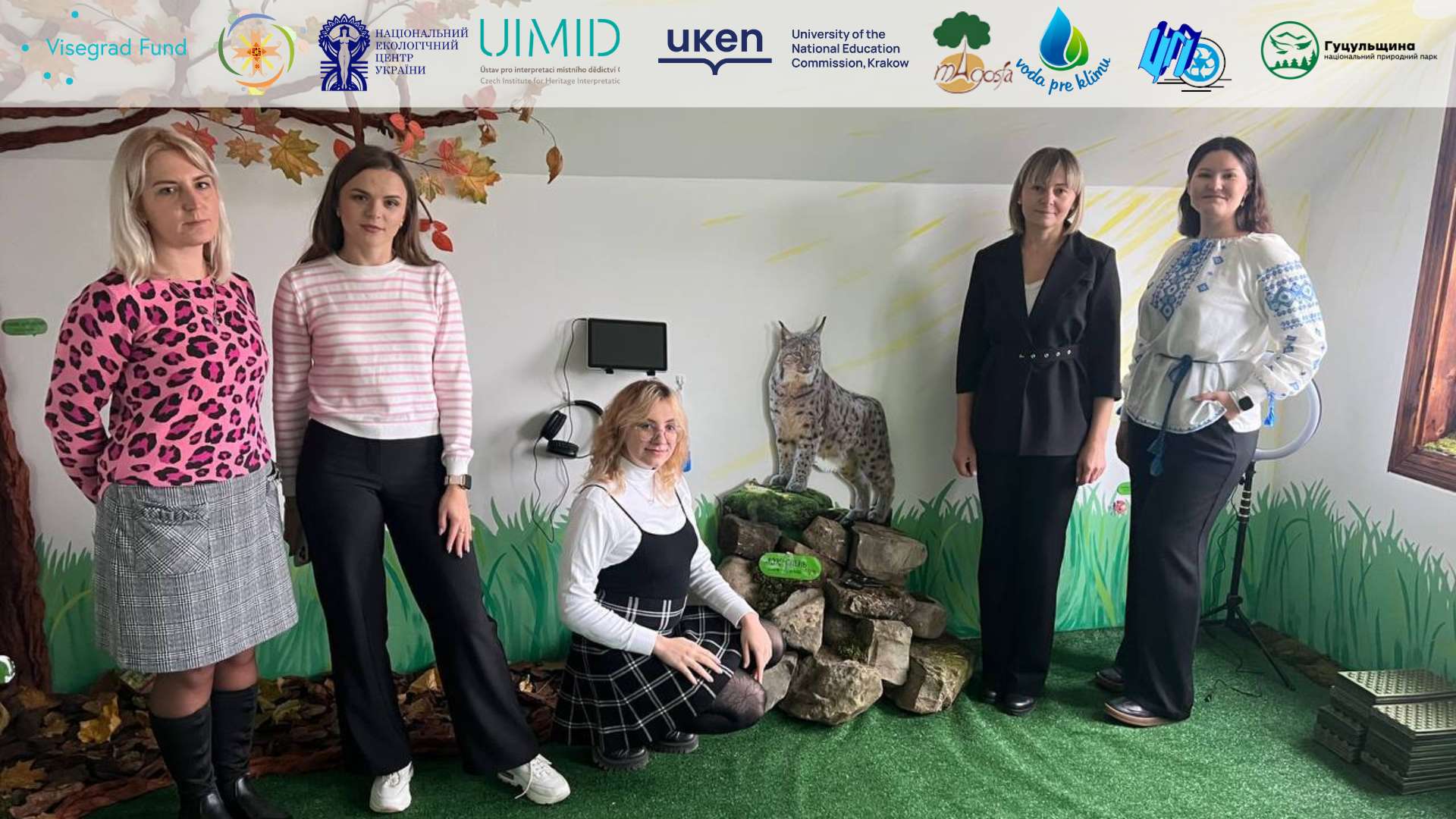
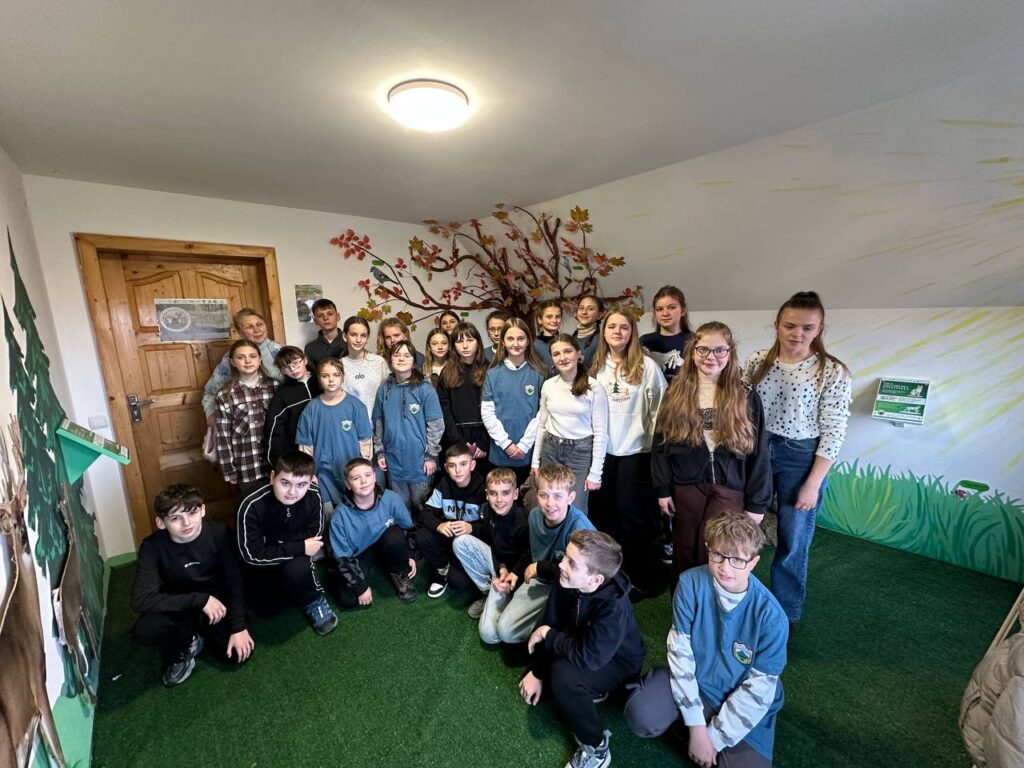
The project team at the official opening of the zoological room-museum on the territory of the research center of the Hutsulshchyna National Park
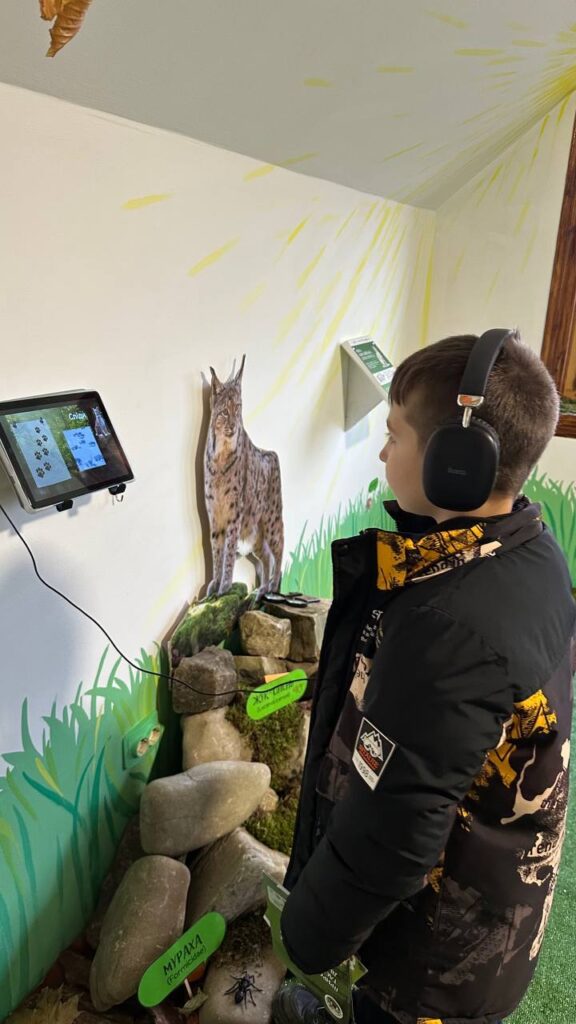
The project aims to create a modern interactive environmental education space on the territory of Hutsulshchyna National Nature Park. Over the course of two months, the project team renovated and transformed the zoological room of the park’s Scientific and Educational Centre into a functional space for environmental education, learning about the wildlife of the Carpathians, and fostering responsible attitudes toward nature among children and young people.
This initiative addressed a long-standing gap that existed prior to the project, as the territory of Hutsulshchyna National Nature Park lacked interactive educational spaces adapted to contemporary approaches in environmental education. The existing zoological room did not meet the needs of students, educators, or park staff, which limited the quality of educational activities and reduced young people’s engagement with studying the natural heritage of the Carpathians.
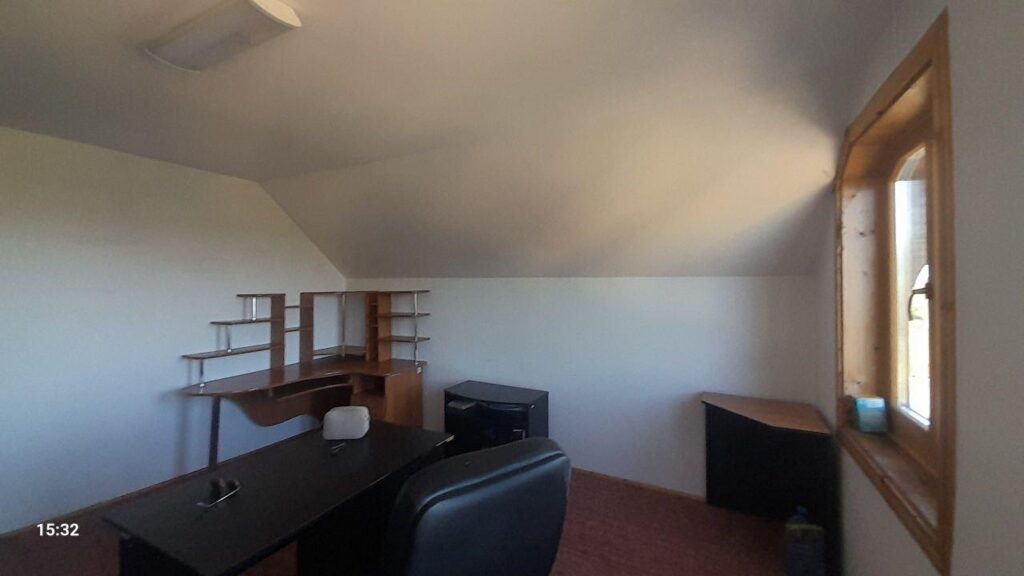
The zoological room at the Scientific and Educational Centre of Hutsulshchyna National Nature Park before the start of the project.
The initiative became possible thanks to co-financing from the governments of the Czech Republic, Hungary, Poland, and Slovakia through Visegrad Grants of the International Visegrad Fund. The project was implemented in partnership with the National Ecological Centre of Ukraine and Hutsulshchyna National Nature Park within the framework of the project “Shifting towards Ecotourism in Protected Areas through Heritage Interpretation.”
Project goal
The project aims to create an interactive zoological room–museum with three thematic exhibitions and to conduct the first environmental education lessons for children and young people, promoting the wildlife of the Carpathians and supporting the development of environmental education in the region.
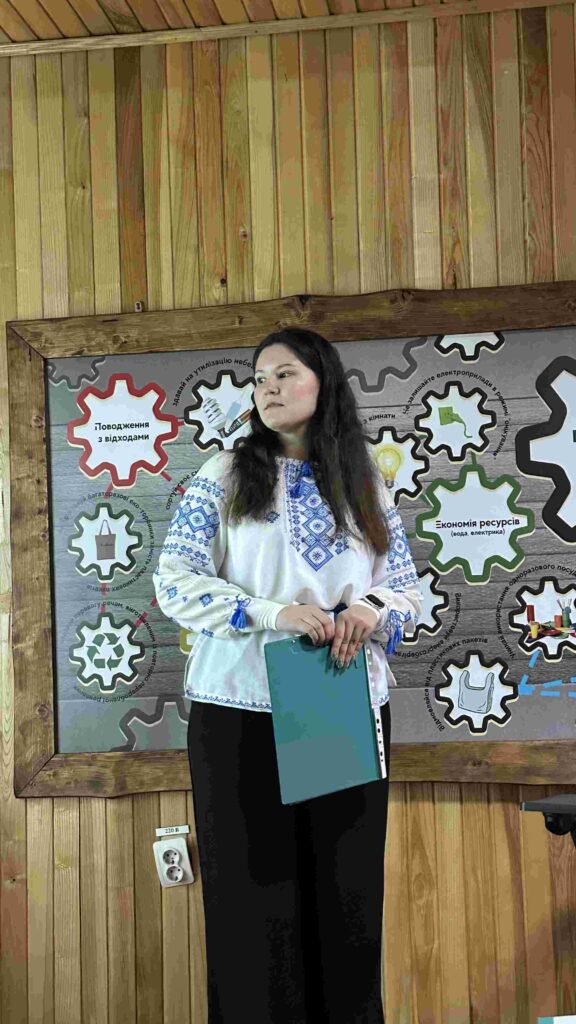
Implementation process
Project implementation began with an analysis and planning of the future zoological room–museum, including the definition of functional zones and the overall concept of the space. The team then carried out the necessary renovation works: updating surfaces, installing lighting, and preparing the premises for exhibition design.
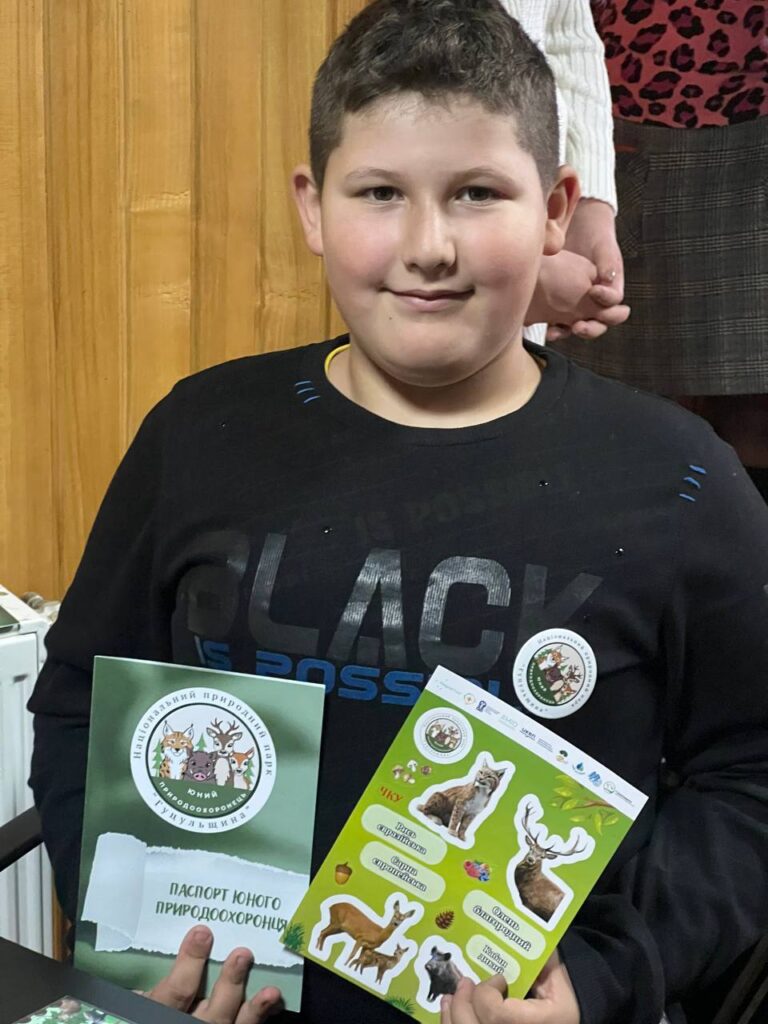
The next stage involved developing an artistic thematic design inspired by natural animal habitats, as well as creating interactive educational materials, including the “Young Nature Protector” passport, wall charts, and learning tasks. Wooden exhibition structures, stickers, stamps, magnets, and badges were produced to complement the educational programme of the room.
Opening of the interactive zoological room–museum
The final stage of the project was the official opening of the interactive zoological room–museum at Hutsulshchyna National Nature Park. The event was held in a hybrid format, combining onsite and online participation, and brought together representatives of protected area institutions, partner organisations, and international experts.
Participants of the opening included partners of the project “Shifting towards Ecotourism in Protected Areas through Heritage Interpretation,” namely:
- National Ecological Centre of Ukraine;
- Carpathian National Nature Park;
- Vyzhnytsia National Nature Park;
- Verkhovyna National Nature Park;
- Michal Medek, Director of the Czech Institute for Heritage Interpretation and senior lecturer at Masaryk University in Brno;
- Department of Education of the Kosiv Community.
Partners emphasised that the project serves as an example of effective cooperation between a young project team, a protected area institution, and international organisations.
Activities during the opening event
As part of the opening:
- the exhibitions and interactive materials were presented;
- new educational tools were demonstrated, including the “Young Nature Protector” passport, stickers, badges, and individual stamps;
- representatives of partner national parks shared their own initiatives implemented within the small grants programme.
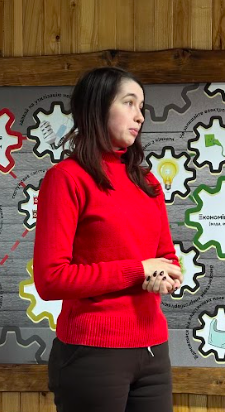
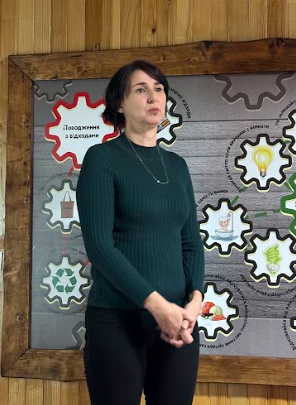
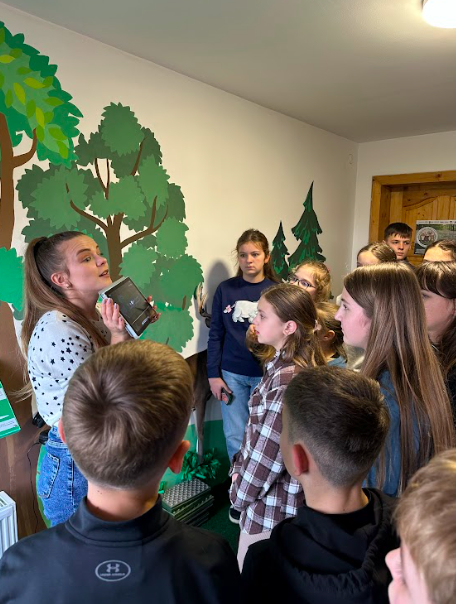
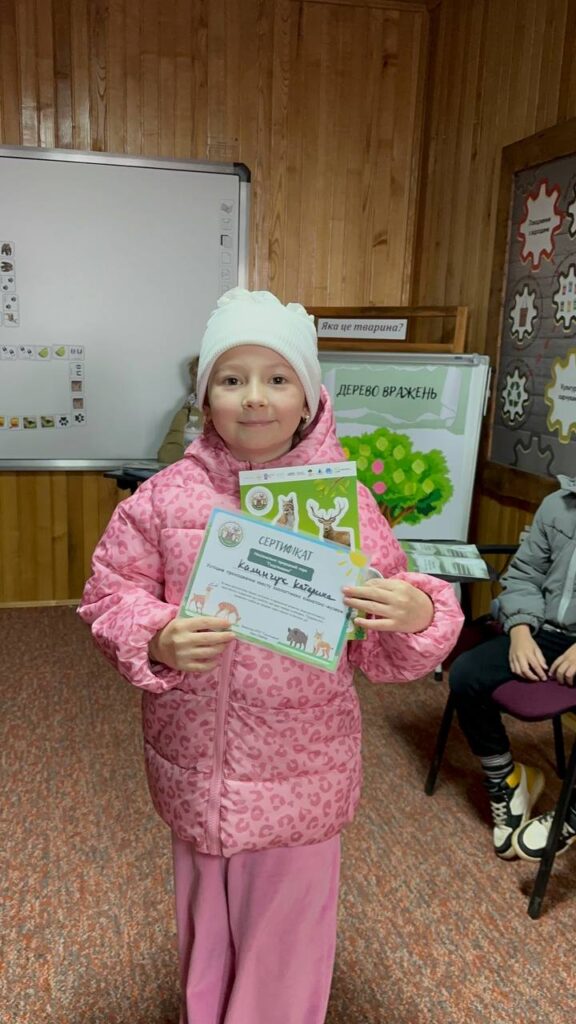
In addition, Olha Dymchenko and Uliana Bahriichuk conducted an open environmental education session for students of the Ivan Pelypeyko Kosiv Lyceum. During the session, pupils tested the interactive learning route in the new space for the first time.
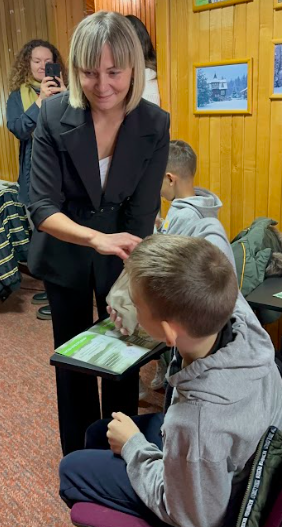
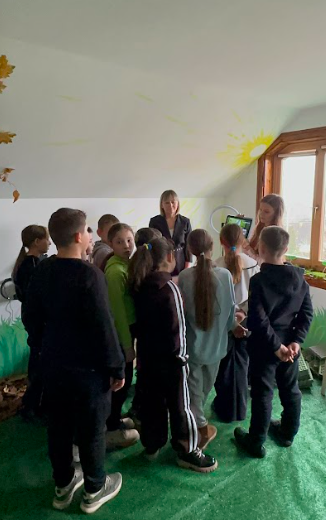
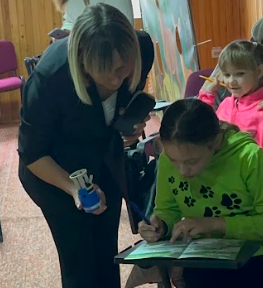
First educational activities after the opening
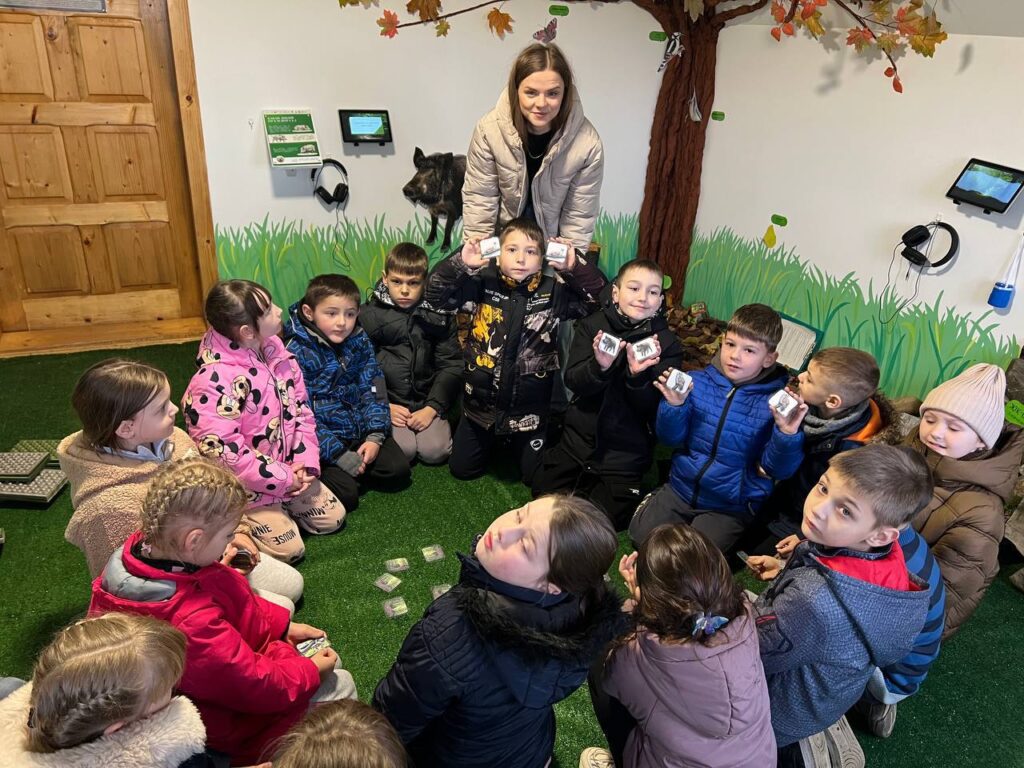
Following the official launch of the space, the project team conducted three additional environmental lessons for local school students. This marked the actual start of regular use of the zoological room–museum as an educational hub for children and young people.
Results achieved
- An interactive zoological room–museum has been created, adapted for environmental lessons, educational activities, and interactive programmes for children and teenagers.
- Three thematic exhibitions reproducing the habitats of the lynx, wild boar, moose, and roe deer have been developed.
- A full set of environmental education materials has been created, including a motivational passport, stickers, stamps, magnets, and wall information panels.
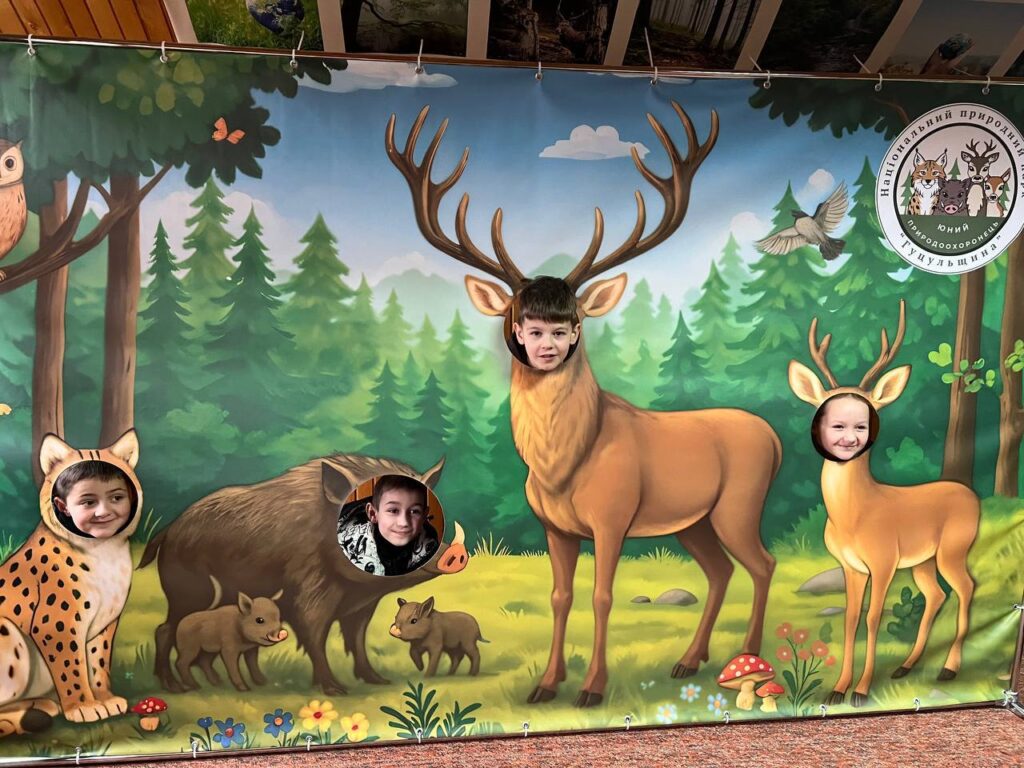
- A photo zone has been installed to create memorable visual elements from environmental lessons at Hutsulshchyna National Nature Park.
- The first four environmental lessons have been conducted, demonstrating high student engagement and the effectiveness of the interactive format.
- The quality of environmental education work at Hutsulshchyna National Nature Park has been improved through the combination of play-based learning, immersion, and accurate scientific information.
- An increase in the number of visitors and participants in environmental education activities is expected, from 1,000 to 3,000–5,000 people per year.
Cooperation with communities and project impact
The project was implemented in close cooperation with educational institutions of the Kosiv, Yabluniv, Rozhniv, and Kuty communities, ensuring deep integration into the life of the region. Communities gained several important benefits, primarily educational ones: students and teachers received access to a modern interactive educational space at no additional cost, contributing to increased environmental awareness and responsible attitudes toward nature.
The social impact of the project is reflected in the creation of a new space for interaction between children, teachers, and parents, as well as in strengthening local communities’ connection with the natural heritage of the Carpathians. The economic dimension was supported by involving local craftspeople and entrepreneurs in producing exhibition elements and printed materials — 85% of all purchases were made within the Kosiv community. At the same time, the project strengthened the image of the participating communities by engaging them in an international environmental initiative, opening new opportunities for future grant projects and partnerships.
Team
- Veronika Popova — Project Leader
- Olha Dymchenko — Project Coordinator
- Oleh Pohribnyi — Consultant, Head of the Research Department, Hutsulshchyna National Nature Park
- Uliana Bahriichuk — Head of the Environmental Education Department
- Yuliia Strynadiuk — Deputy Head of the Recreation Department
- Yeva Batygina — NECU Volunteer
Partners
- Hutsulshchyna National Nature Park
- National Ecological Centre of Ukraine
- Educational institutions of the Kosiv, Yabluniv, Rozhniv, and Kuty communities
- International Visegrad Fund
- Students and lecturers of partner universities (Poland)
Text author: Veronika Popova
Photo materials: Olha Dymchenko, Veronika Popova, Yeva Batygina

The project is co-financed by the Governments of Czechia, Hungary, Poland and Slovakia through Visegrad Grants from International Visegrad Fund.
The mission of the fund is to advance ideas for sustainable regional cooperation in Central Europe.